
Renting a Warehouse in Raleigh, NC: What Every Small Business Needs to Know
Renting a warehouse is a crucial step for small businesses looking to streamline operations and enhance logistics, but the decision involves far more than just finding available space. Whether you're evaluating flex warehouse options, weighing the cost of a traditional lease, or exploring alternatives to buying altogether, the factors you consider today will significantly impact your success tomorrow. This guide breaks down what you need to know before signing anything.
Key Considerations When Renting a Warehouse
1. Warehouse Location
Proximity to customers, suppliers, and transportation hubs can significantly affect delivery times and costs. A cheaper warehouse an hour outside your market can quickly cost more in freight, time, and headaches.
Whether you're a e-commerce company, online retailer, Consumer Packaged Goods (CPG) company, maker, kitting & fulfillment company, or contractor, finding the right warehouse space starts with location, because where you operate directly affects your costs, delivery times, and growth.
2. Start-Up Costs
Initial costs can include security deposits, first month’s rent, and necessary renovations or upgrades. These capital expenses can tie up cash that would be better spent on inventory, marketing, or hiring. For many growing businesses, shared warehouse space offers a smarter entry point, no buildout costs, no capital outlay, and no surprises.
3. Dock Access
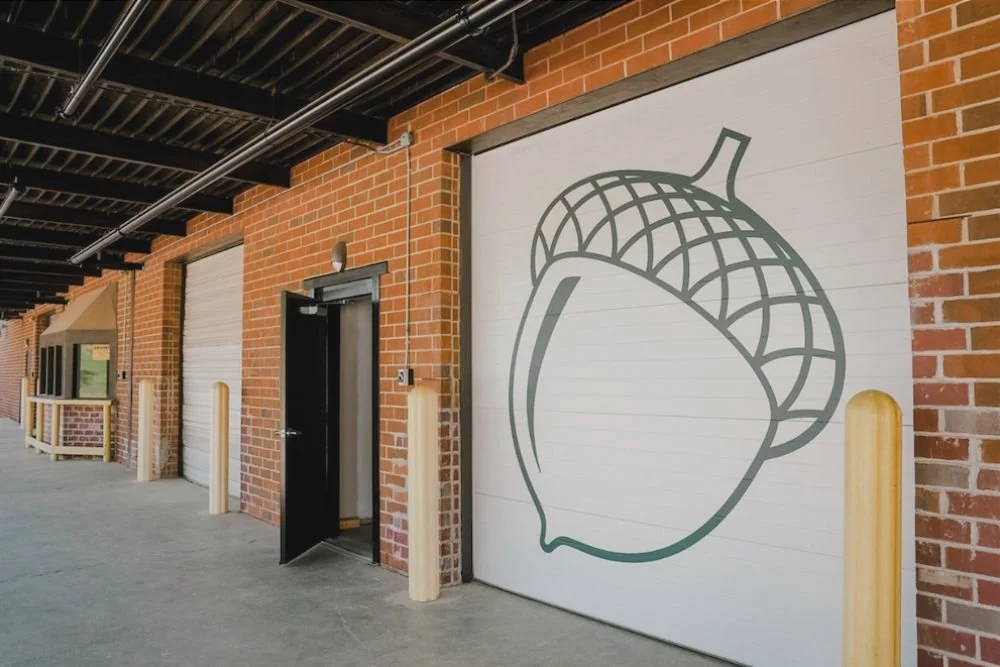
Assess the type of loading docks available (e.g., drive-in, dock-high) to ensure they meet your operational needs. The wrong dock configuration can slow operations or limit which carriers you can use.
4. Onsite Warehouse Equipment
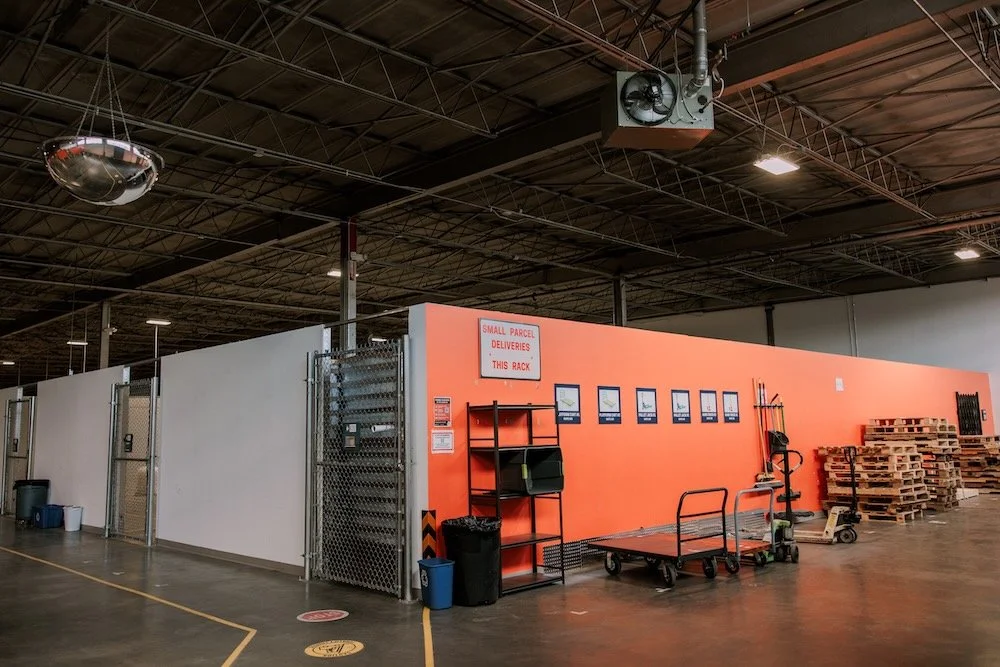
Check for available forklifts, pallet jacks, carts, dollies, and other equipment that can facilitate your operations. Owning, maintaining, and replacing this equipment adds ongoing cost and management burden. With a cowarehouse model, this equipment is available and shared amongst other warehouse members.
5. Logistics / Carriers / Account Set-Up
Evaluate the ease of setting up accounts with carriers and logistics providers in the area.
6. Shipping Costs
Analyze shipping rates based on warehouse location and access to major highways. Without experience and scale, shipping costs can quietly erode margins.
7. Access to Knowledgeable People Across Industries
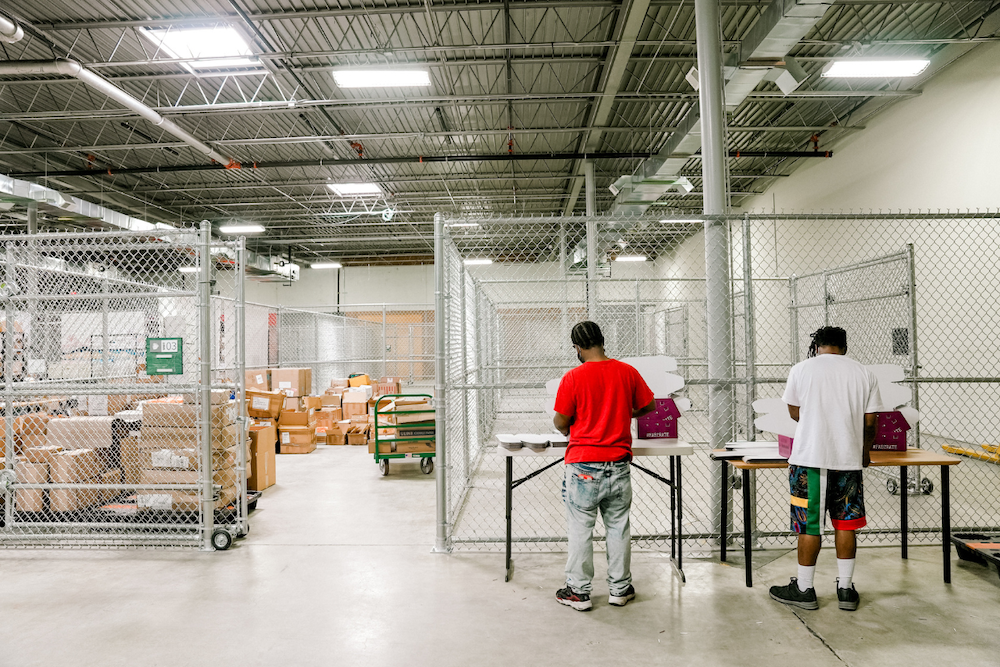
Having access to industry experts can help streamline processes and provide valuable insights. Operating in isolation often means learning expensive lessons the hard way. In a shared warehouse model, there is a community element and access to other professionals.
8. Additional Warehouse Costs
Consider ongoing expenses such as maintenance, utilities, taxes, and TICAM (Taxes, Insurance, Common Area Maintenance). These variable expenses make budgeting and cashflow management unpredictable. This is one reason warehouse space with utilities included is increasingly in demand — predictable costs from day one make a real difference for small business operators.
9. Lease Terms
Review the lease length, flexibility, and conditions for early termination or modifications. Most leases require a personal guarantee and annual escalations. For growing companies, this can feel like betting the business on a fixed footprint. Businesses seeking shared warehouse space with no long-term lease are increasingly turning to cowarehousing as a smarter alternative.
10. Scalability
Choose a warehouse that can accommodate your growth, allowing you to easily adjust space as needed. Most leases are rigid, scaling up or down often means moving or renegotiating. At The Loading Dock our terms start at 6 months.
11. Zoning Regulations
Ensure the warehouse complies with local zoning laws for your business operations.
12. Access Levels
Determine if 24/7 access is required or if business hours suffice for your operations.
13. Security
Evaluate the security measures in place to protect your inventory and assets. Secure warehouse storage is a non-negotiable, especially for medical supply companies, e-commerce businesses, and home health operators managing high-value inventory.
14. Ceiling and Stacking Requirements
Assess the warehouse’s ceiling height to ensure it meets your stacking and storage needs. Insufficient ceiling height often leads to paying for more square footage than you actually need.
15. Internet Infrastructure
Reliable internet access is crucial for modern logistics and operational efficiency. Many warehouses lack enterprise-grade internet, forcing tenants to pay for costly installs or settle for unreliable service.
16. Liability and Property Insurance Requirements
Understand the insurance requirements set by the landlord and your own needs for coverage. Managing renewals and compliance adds complexity and cost that many small operators underestimate.
17. Onsite Staff
Consider the availability of knowledgeable onsite staff to assist with daily operations and logistics. Without onsite support, missed deliveries and security issues become your problem.

The Reality: Renting a Warehouse Is a Lot to Manage
Renting a warehouse involves numerous considerations that can impact your business’s efficiency and growth. From location and start-up costs to security and scalability, it’s essential to weigh all factors carefully.
When you add it all up — space, equipment, infrastructure, staffing, insurance, logistics, and risk, running a warehouse is a business in itself.
That’s Exactly Why Cowarehousing Exists.
For businesses looking for flex space warehouse in Raleigh, NC without the complexity of a traditional lease, our cowarehousing brings everything together into one simple, predictable monthly price:
Fully built-out warehouse infrastructure with daily shipping & receiving
Dock access, equipment, internet, and security
Onsite staff and operational support
Flexible space that scales up or down
Short-term commitments
No personal guarantees
A community of experienced operators across industries
Instead of managing facilities, vendors, and long-term risk, you can focus on what actually grows your business, sales, product, and customers. Our founder, Phillip Freeman went through his own warehouse growing pains with his company, Murphy’s Natural’s and that’s what inspired the cowarehouse concept.
If you’re evaluating warehouse space for small business and want flexibility without compromise, cowarehousing is simply a smarter way forward.
Find Cowarehouse Space in Raleigh NC
If you’re looking for a flexible, hassle-free solution, consider cowarehousing at The Loading Dock in Raleigh, NC. Our cowarehouse model includes everything your business needs — a great location, dock access, onsite equipment, enterprise internet, flexible terms, no personal guarantee, and knowledgeable staff — all at one simple price.
We have a solution built around your needs. Enjoy short-term commitments, a network of 1,300 members, and the ability to flex up or down as your business evolves.
Explore our Cowarehousing page or book a tour to learn more about how we can support your business needs!